
When Can You Get a Dental Implant After a Tooth Extraction?

When asking about the right time when you can get a dental implant after a tooth extraction, most people are told a general answer like, “You’ll need to wait 3–6 months.”
It sounds simple. Like there’s a fixed countdown after every extraction.
But that’s not how implant timing is decided.
Our Culver City dentists at United Dental Care don’t use the calendar as the main guide. Whether you’re considering an implant after tooth removal or planning for future treatment, timing depends on your bone condition — not the date of extraction.
Two people can have a tooth removed on the exact same day and one might qualify for an implant immediately, while the other may need months of healing first.
Why? Because their bone condition, infection level, and tissue stability are different.
This guide isn’t here to teach you dental theory. It’s here to help you identify which timing category your situation likely falls into before you even sit in the dental chair.
To understand where you likely fall, first consider what was happening to the tooth before it was removed.
Identify Why Your Tooth Was Removed
Before thinking about how long you’ll have to wait for a tooth implant after tooth extraction, let’s pause for a while and look backward. The reason your tooth was removed gives you a strong clue about your implant timeline.
Before you stress out, ask why the tooth was pulled out in the first place. Here are hints on your timeline:
The bone around a fractured or damaged tooth it is usually still healthy and strong. This often makes you a candidate for an early implant placement procedure.
If you had a failed root canal:
There may have been mild lingering bacteria around the root tip. The bone might still be usable, but your dentist will evaluate whether infection has affected its stability. Your timeline could be early or slightly delayed depending on the status the infection and of you bone structure.
If there was visible swelling, pus, or an abscess:
This usually means the bone was contaminated. Give your body time to heal from infection and rebuild stable bone structure.
If the tooth was removed because of gum disease:
Bone loss often existed before the extraction due to infection eroding the bone structure. This means the implant site may already lack enough height or width, which can extend your timeline.
At this stage, you’re not deciding your timeline yet you’re narrowing your category. The condition of the bone — not the calendar — determines how soon an implant can be placed.
Understand How the Jaw Heals After Extraction
Extraction Now think about what happens after your tooth is removed. Healing is a sequence and not a single moment. And where you are in that sequence affects your implant timing.
The time between tooth extraction and implant placement is determined by how this healing sequence progresses inside your bone. Here’s the timeline story happening inside your jaw:
1. First, your body seals the socket.
Within days, a clot forms. The gum tissue begins closing over the area. From the outside, it may look like it’s healing quickly.
2. Then, the bone begins reshaping and rebuilding.
Underneath the gum, your body starts filling the empty socket with new bone tissue. This phase is quiet and invisible but critical.
3. Then, if the space remains empty, the bone slowly shrinks.
Without a tooth root stimulating it, the jawbone starts reducing in width and height. This can begin within weeks.
4. The bone becomes stable and dense enough for bonding.
Implant timing depends on what’s happening inside the bone, not what you see in the mirror.

Learn The Timing of Your Dental Implant Procedure
Before you try to place yourself into a dental implant timing category, there are things you must first understand.
Most patients are not candidates for immediate dental implants post extraction. Same-day placement might be the answer, but it only works when your bone is infection-free, strong and stable enough at the time of extraction. That combination is less common than people think.
Immediate placement is situational — not superior. It is not the “best” option by default. It is simply the correct option when your bone condition allows it and depending on the type of dental implant used.
In many cases, allowing soft tissue to heal or infection to clear improves stability. And when timing matches your bone’s readiness, the implant bonds more predictably.
Your goal is not speed.
Your goal is correct timing for your situation because that’s what improves long-term success.
So, how soon after tooth extraction can you get implants?
The answer depends on which biological category your situation falls into.
Implant Timing Classification
|
Category |
Placement Time |
Who Qualifies |
|
Immediate Implant |
Same day |
No infection + strong bone |
|
Early Implant |
4–8 weeks |
Minor infection or soft tissue healing needed |
|
Late/Delayed Implant |
3–6 months |
Infection or bone damage |
|
Grafted Site Implant |
4–9 months |
Bone loss present |
Now connect this to what you’ve already assessed:
If your tooth was cracked or removed without infection
You may fall into the Immediate or Early category — depending on bone strength.
If there was mild infection or root canal failure
You’re more likely in the Early (4–8 weeks) group.
If there was swelling, abscess, or visible bone damage
You’re likely in the Delayed (3–6 months) category.
If you were told you have bone loss or need grafting
Expect the 4–9 month timeline.
Same-Day Implant vs Same-Day Tooth (Common Confusion)
Before you assume you qualify for “same-day results,” let's clarify what that actually means. Many patients believe: Same-day implants mean the tooth is fully replaced the same day. But those are two different stages.
An implant is the foundation post placed into your jawbone. A tooth you chew with is attached only after the bone has bonded to the post. Your bone still needs time to fuse to your tooth even when the implant is placed immediately. That bonding phase cannot be rushed.
In timing terms:
- Implant placement = structural step.
- Chewing function = loading step.
They follow different biological timelines — and confusing them leads to unrealistic expectations about recovery and readiness.
Important Difference
|
Term |
What Happens |
Can You Chew Normally? |
|
Immediate implant |
Post placed same day |
No |
|
Immediate load |
Temporary crown placed |
Limited |
|
Final crown |
After integration |
Yes |
If you qualify for an immediate implant, it only means the post can be placed right away.
It does not mean the implant is ready to handle full biting pressure.
Dentists intentionally protect the implant during healing because bone must bond tightly to the post. This bonding phase is sensitive to movement.
Chewing too aggressively, too early, can disrupt integration — and timing mistakes are a common cause of failure. Correct timing protects stability. Speed does not improve outcomes — controlled healing does.
What Can Delay Your Implant
Even if your extraction looked simple and gums already may look like it’s totally healed, certain conditions can quietly slow down bone bonding underneath.
Remember, implant timing is based on how predictably your bone will integrate with the post. Some factors reduce that predictability — which means your dentist may recommend waiting longer.
Use the table below to see if any apply to you.
Risk Factors That Extend Healing
|
Factor |
Why It Delays |
|
Smoking |
Slows bone healing |
|
Diabetes |
Affects integration |
|
Infection |
Prevents stability |
|
Thin bone |
Needs graft |
|
Teeth grinding |
Overloads implant |
If one or more of these apply to your situation, your timeline may shift from immediate to early — or from early to delayed.
However, this is not something you can accurately self-diagnose.
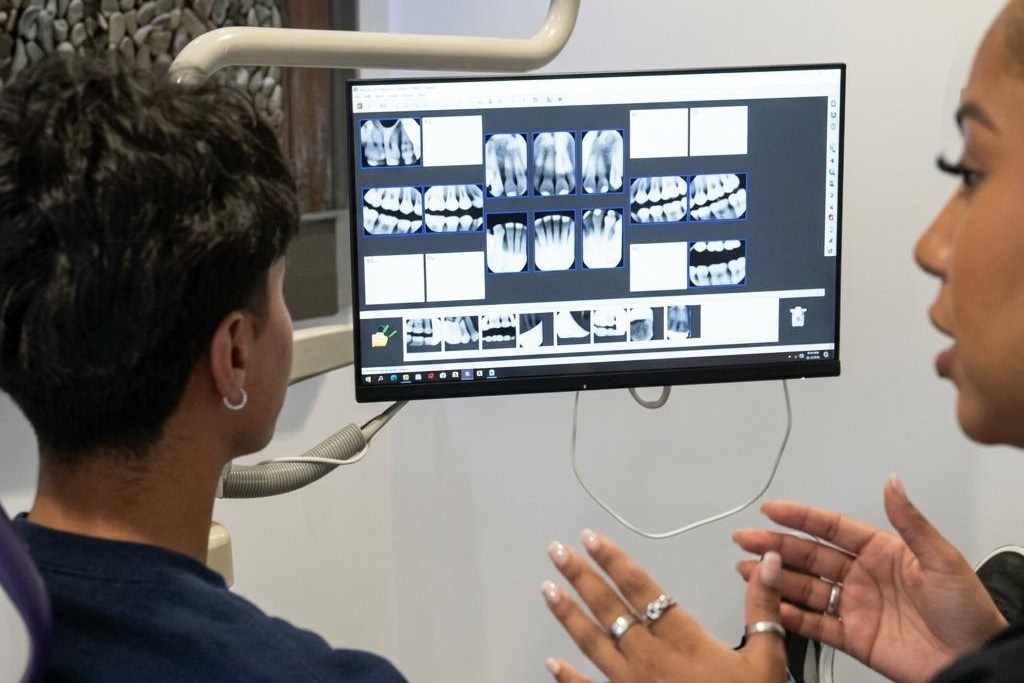
Bone thickness, infection clearance, and integration risk are evaluated clinically using:
- Imaging (often a 3D scan)
- Tissue stability assessment
- Medical history review
You might feel healed — but your dentist is evaluating structural readiness, not surface appearance.
This is why two patients who undergo similar tooth extractions can still receive different timing recommendations.
Why Timing Matters
Right now, remember this: healing happens inside your bone — not just in your gums.
Your gum tissue can look smooth and closed within weeks. It may feel normal. No pain. No swelling. From the outside, everything appears “healed.”
But implant timing is not based on how your gums look.
It’s based on whether your bone underneath is strong enough to hold and bond to an implant.
An implant only works when it fuses tightly to solid, stable bone. If the bone isn’t ready, the body reacts differently — and that reaction determines whether the implant integrates or fails.
Let’s walk through what happens in each timing mistake.
If Implant was Placed Too Early
If bone is still soft, reshaping, or recovering from infection, it cannot stabilize the implant securely. When stability is weak:
- The implant may move microscopically.
- Bone cannot bond properly.
- Integration becomes unpredictable.
In this situation, your body may treat the implant like a foreign object rather than something to fuse with.
This is why visible healing does not equal internal readiness.
If Implant was Placed Too Late
Bone naturally shrinks after a tooth is removed. Without a root stimulating it, the jaw begins losing width and height sometimes within weeks.
If too much time passes:
- The site may become narrower.
- The bone height may reduce.
- Additional preparation (like grafting) may be required before placement.
The implant isn’t failing here — the foundation simply changed shape.
If there is NO Implant
Delaying tooth replacement can allow surrounding teeth to shift even if everything feels fine right now:
- Adjacent teeth begin drifting.
- The opposing tooth may move downward.
- Bite pressure redistributes unevenly.
Over time, this makes implant placement more complex than it would have been earlier.
This isn’t about urgency — it’s about preventing avoidable complications.
Correct timing isn’t about delaying care. It’s about preventing complications. Implants work best when your bone can support them predictably — not when the calendar says it’s been long enough.

What Happens at Your Implant Consultation in Culver City
When you come in for an implant consultation, the purpose isn’t to “book surgery.”
The appointment determines whether your site is biologically ready or whether it needs more time or preparation first. This decision cannot be made by looking in the mirror. And it cannot be based on how healed your gums feel.
Our dentist, for example, will evaluate your conditions that you simply cannot judge visually on your own.
Here’s what that assessment includes and how it affects your timing category.
Bone Volume Check
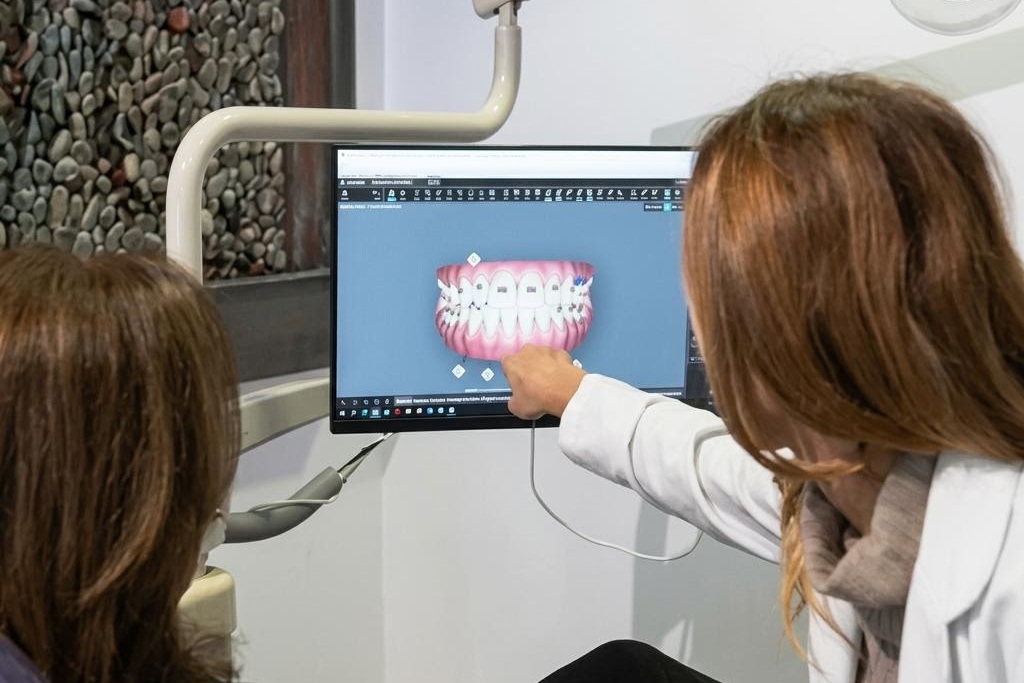
Imaging (often 3D) is used to measure how much bone height and width you currently have.
This determines:
- Whether there is enough support to hold an implant securely
- Whether the site is shrinking
- Whether preparation (like grafting) may be needed
This tells your dentist whether there is enough structural support to anchor the implant securely.
Infection Check
Your dentist evaluates whether any residual bacteria or inflammation remain in the bone.
This is especially important if:
- Your tooth had swelling
- There was an abscess
- You had a failed root canal
If infection is still present, placing an implant too soon reduces bonding predictability.
If the site is clean and stable, your timeline may move forward.
Stability Assessment
This determines whether your bone can hold an implant firmly enough during the healing phase.
Initial stability is critical.
If the implant cannot sit tightly in solid bone at placement:
- Micromovement may occur
- Bonding can be disrupted
- Healing becomes less predictable
If stability looks strong, placement may be recommended sooner.
If stability is questionable, waiting improves your odds of integration.
By the end of the consultation, you are not just given a date.
You’re given a timing recommendation:
- Now — the site is ready
- Wait — more healing is needed
- Prepare first — the foundation needs improvement before placement
The purpose of the consultation is simple: create the conditions for predictable healing and long-term success, not to rush the process.
Your Next Step
Everything you’ve reviewed so far — the categories, timing tables, and risk factors — gives you a strong estimate of where your situation likely falls. But they are still estimates.
Real implant timing is determined by clinical measurements inside the bone. Incorrect timing is one of the most common causes of implant complications.
That’s why timing decisions should never be rushed and are never based purely on the calendar. At United Dental Care, the focus isn’t speed. It’s readiness.
Your visit is an evaluation not a commitment to treatment. Determining right timing that fits your condition is the goal. If you want to know exactly where your situation stands, schedule a consultation with our dentists and receive a personalized timing recommendation based on measurable findings — not assumptions.