Cosmetic Dentistry
Veneers, bonding, and complete smile makeovers for renewed confidence.
Ask about Cosmetic DentistryA smile you'll love, with care you can trust. United Dental Care has served our community with warm, state-of-the-art dentistry for over 28 years.
Get the premium care you deserve with our affordable in-house membership plans. Transparent pricing, no deductibles, and no annual maximums.
Perfect for individuals without employer coverage.
A great perk to offer your small business employees.
At United Dental Care, we are dedicated to providing you with a warm, welcoming environment where you can receive the highest standard of dental care. Our comprehensive professional services are designed to meet all your oral health needs under one roof.
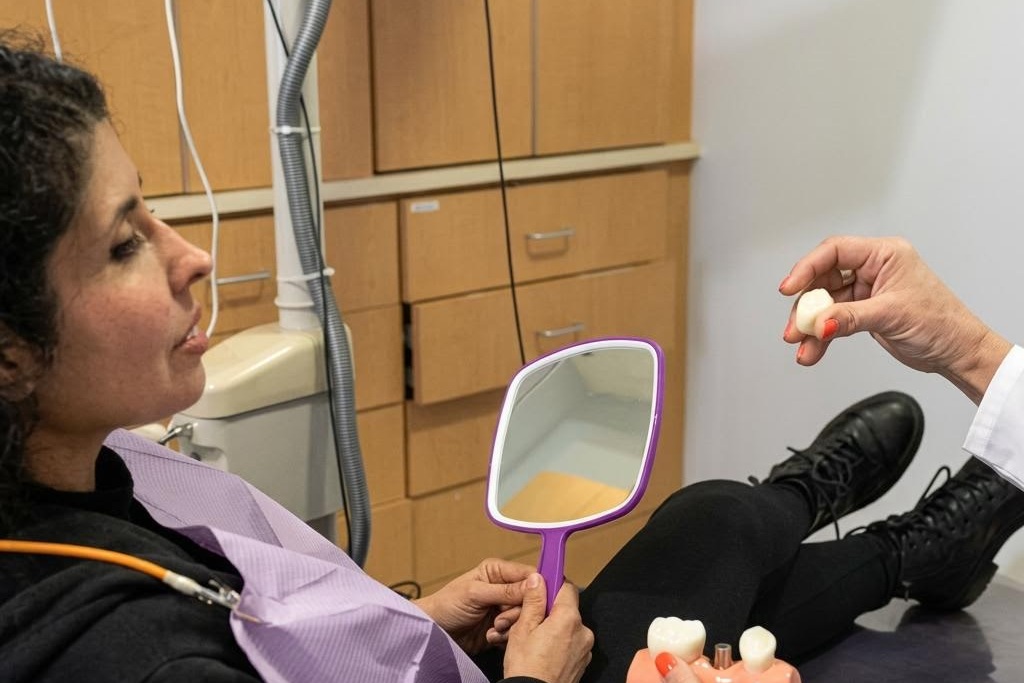
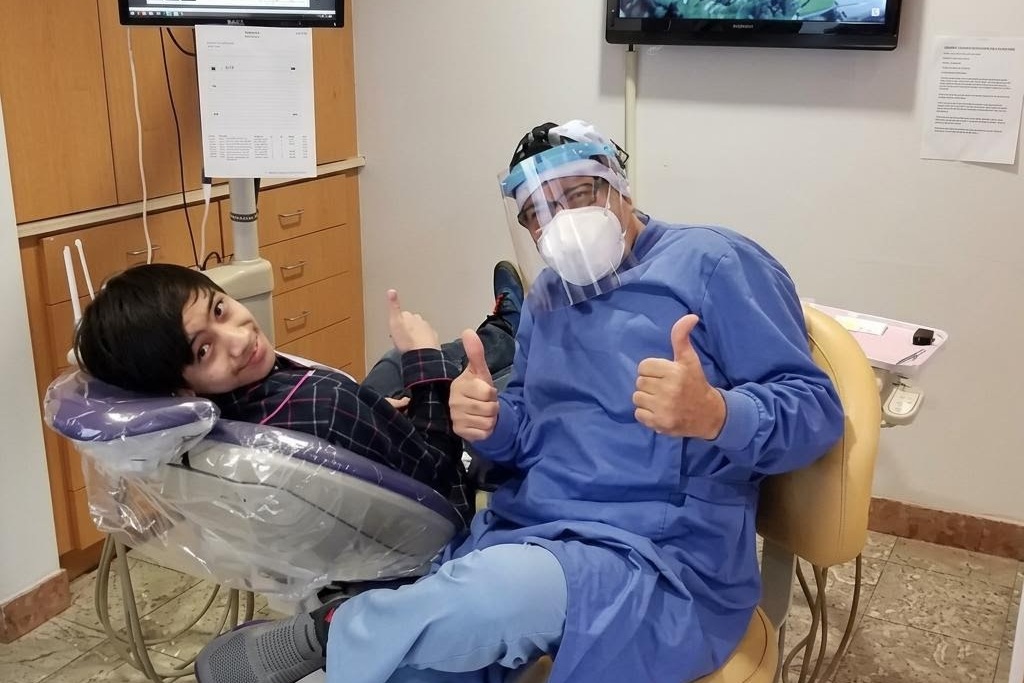
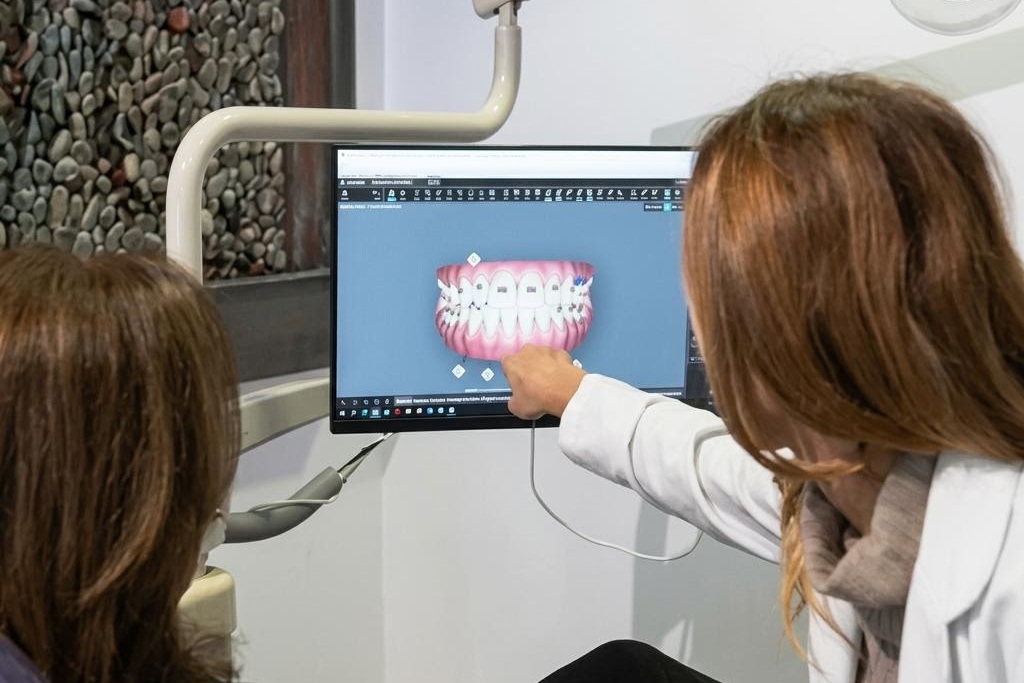
From routine cleanings to complete smile makeovers, our state-of-the-art practice offers comprehensive care under one roof.
Veneers, bonding, and complete smile makeovers for renewed confidence.
Ask about Cosmetic DentistryCrowns, bridges, and tooth-colored fillings crafted with precision.
Ask about Restorative CareProfessional Zoom whitening for a brilliantly brighter smile in one visit.
Ask about Teeth WhiteningClear, comfortable aligners for straight teeth without traditional braces.
Ask about InvisalignPermanent, natural-looking tooth replacement that feels like your own.
Ask about Dental ImplantsGentle, engaging, and caring dentistry for children of all ages.
Ask about Pediatric DentistrySame-day appointments for urgent dental needs to get you out of pain fast.
Ask about Emergency CareComprehensive exams, cleanings, and preventative care for optimal health.
Ask about General & FamilyTransform your appearance and boost your confidence with our premium cosmetic dentistry services. Whether you're looking for a subtle enhancement or a complete smile makeover, our expert team is here to help you achieve the results you desire.
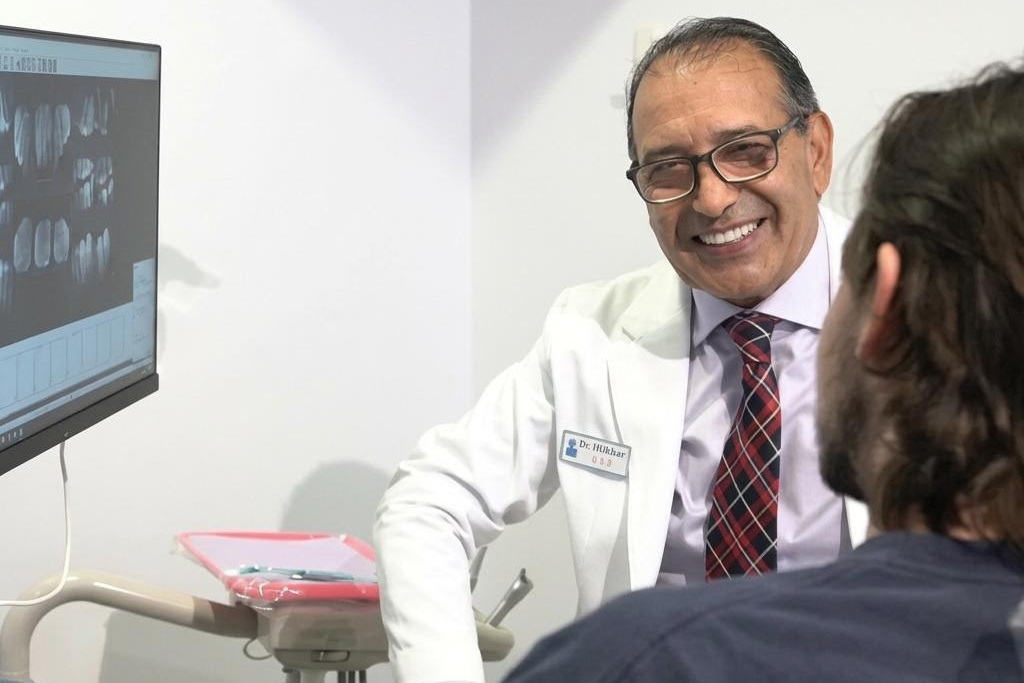
Our team of highly skilled and compassionate doctors is dedicated to providing you with exceptional care and a comfortable experience.
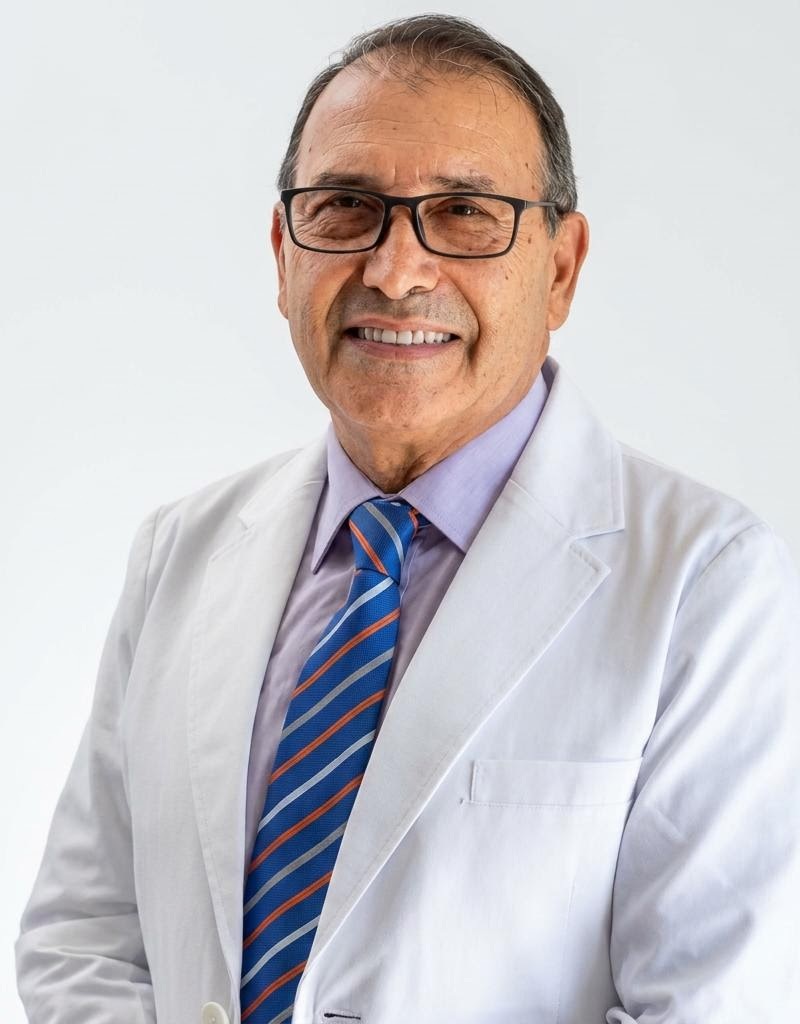


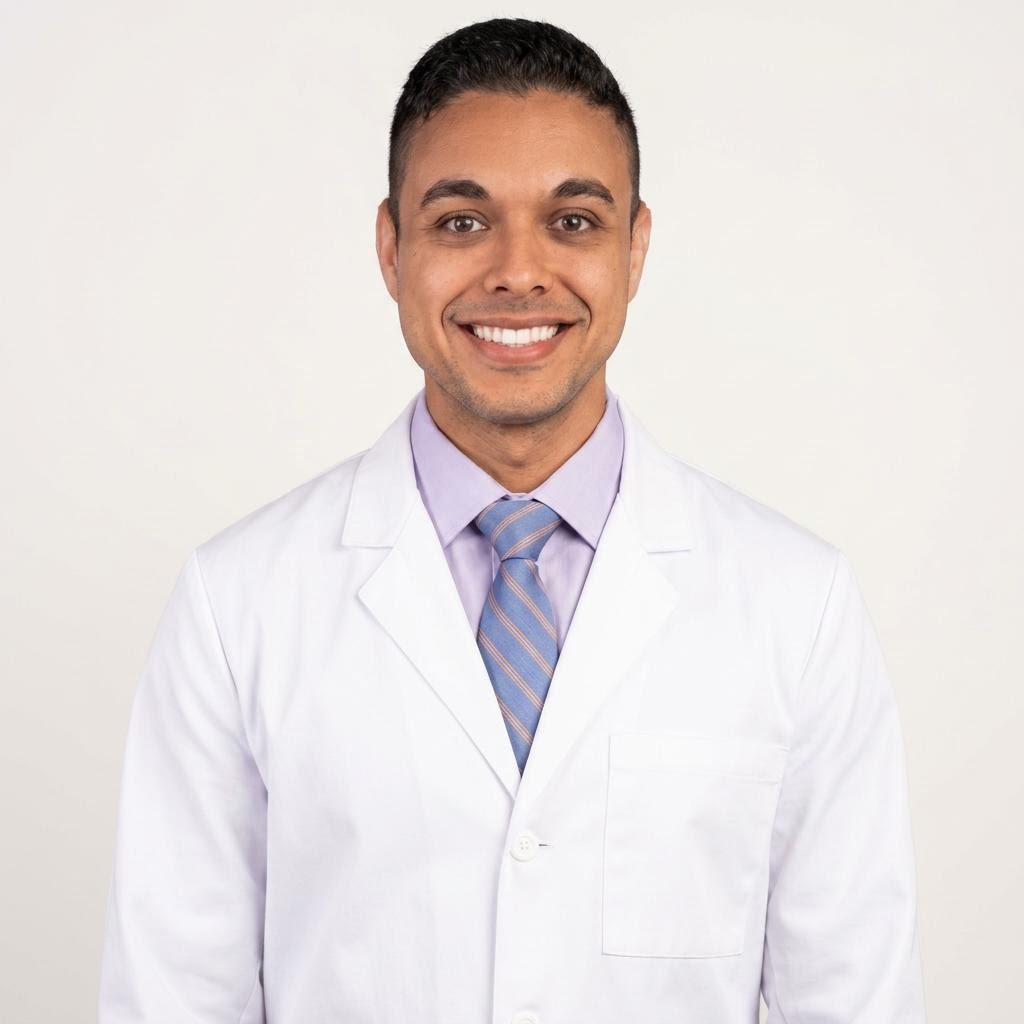

For over 28 years, United Dental Care has been the cornerstone of healthy smiles in Culver City. We believe going to the dentist shouldn't feel clinical or stressful—it should feel like visiting friends who happen to be experts in oral health.
Our state-of-the-art technology is paired with a genuinely warm, family-friendly environment. Whether you're coming in for a routine checkup or a complete smile transformation, we listen to your needs and design care around you.
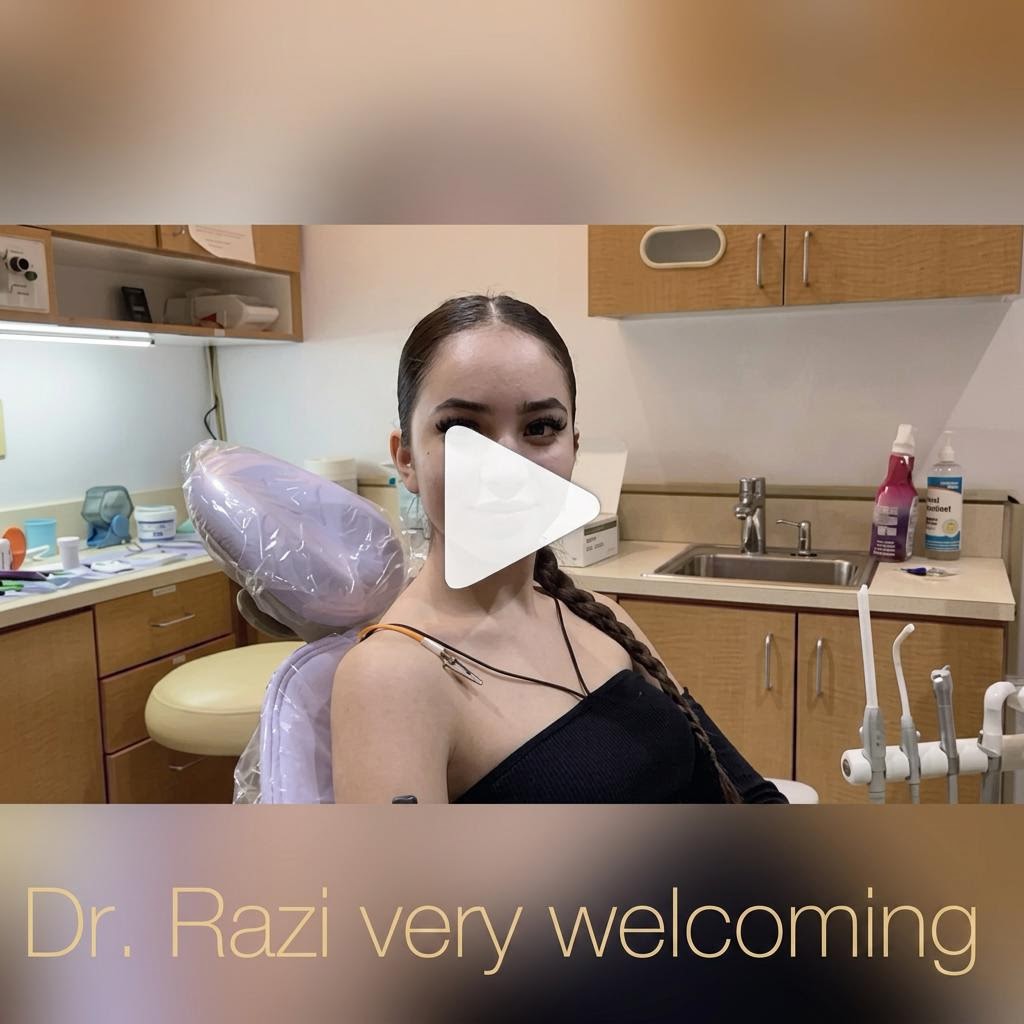
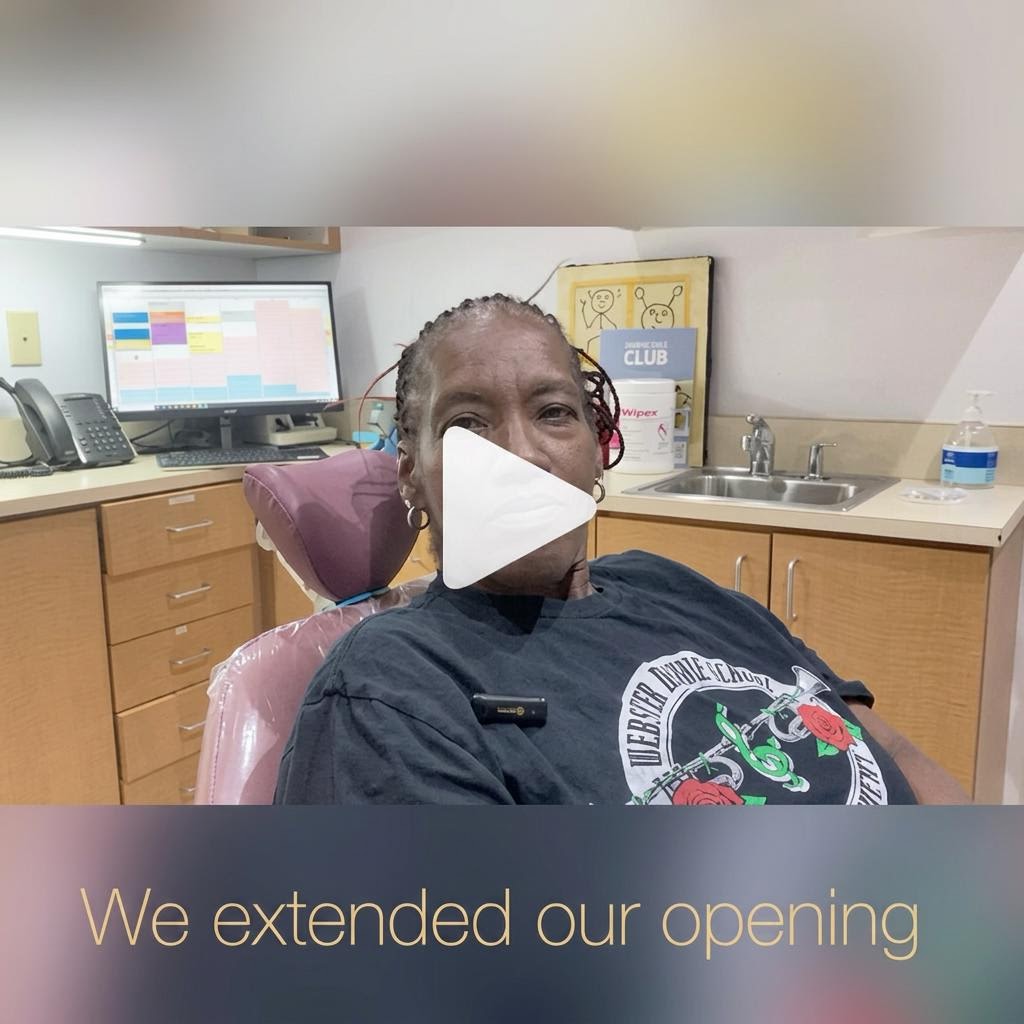
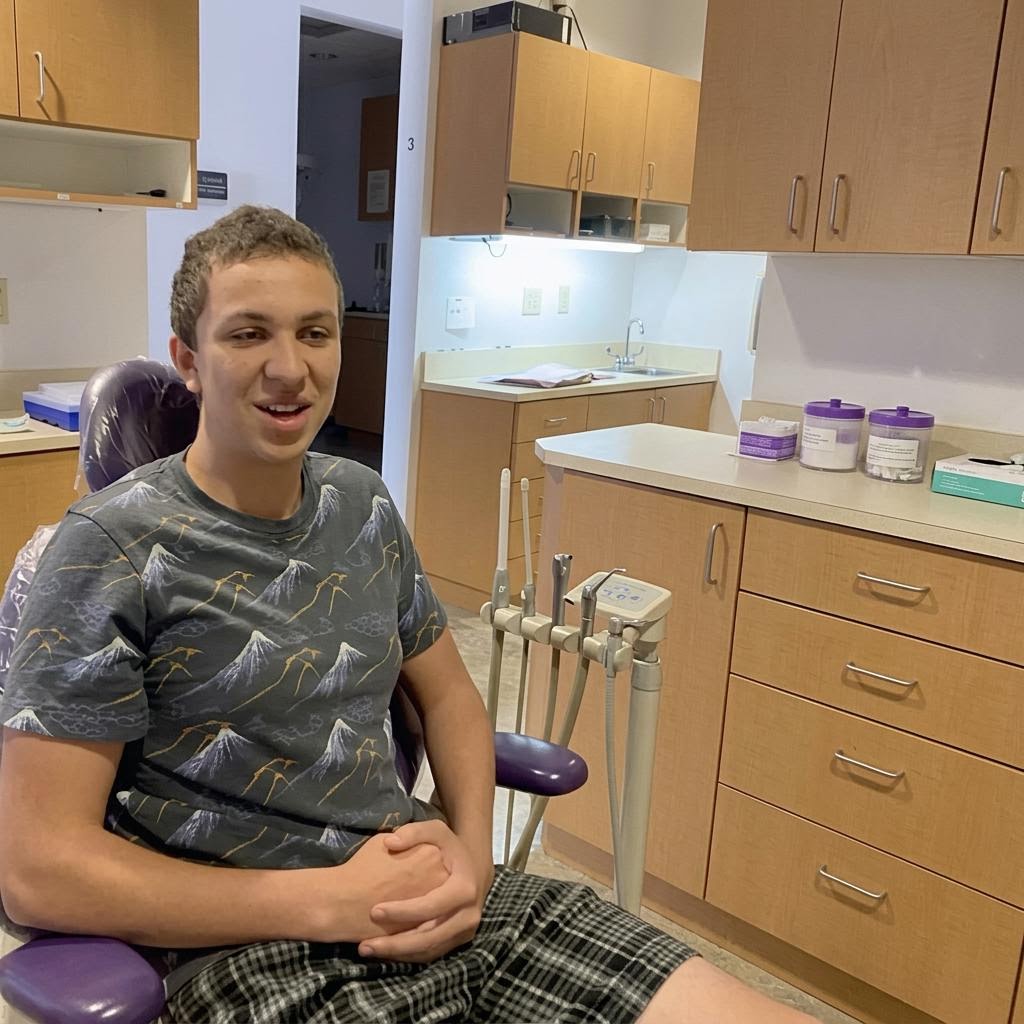
Join over 100,000 happy patients who trust us with their smiles.
"I've always had anxiety about the dentist, but the team here completely changed that. The space is beautiful, and they are incredibly gentle. Best decision I made for my teeth!"
"Been coming here for 5 years. They fixed a chipped tooth perfectly—you can't even tell it happened. The front desk staff is always friendly and they run on time."
"Took my 6-year-old here for his first visit and they were fantastic. Patient, engaging, and made it fun for him. Highly recommend for families in Culver City."
"The in-house membership plan is a lifesaver since I don't have dental insurance through work. Transparent pricing and exceptional care every single time."
"Got my Invisalign here and the process was seamless. Dr. Smith explained everything clearly, and the results are better than I could have imagined."
"Had a dental emergency on a Saturday morning. They got me in immediately and relieved my pain. I'm forever grateful for their prompt and professional care."
Follow us on Instagram for behind-the-scenes looks, dental tips, and patient stories.
Don't see yours listed? Call us to verify. Don't have insurance? Ask about our in-house membership plan.
We'd love to hear from you. Fill out the form below or call us directly to schedule your visit.
3909 Sepulveda Blvd
Culver City, CA 90230
Mon - Fri: 8:00 AM - 6:00 PM
Sat: 8:00 AM - 4:00 PM
Sun: Closed