
Custom vs. Over-the-Counter Night Guards: Which Is Right for You?
United Dental Care, Culver City, CA
Bottom Line Up Front
A custom night guard from your dentist ($300–$1,000) gives you a precise fit, durable hard-acrylic protection, and in-person adjustments that hold up against moderate-to-severe teeth grinding for up to five years. An over-the-counter (OTC) night guard ($10–$30) is cheaper and available the same day at Culver City retailers like Target and Best Buy, but its loose, one-size-fits-all fit can let teeth shift and typically wears out in three to six months.
Choose OTC if your grinding is mild, occasional, and you want a low-cost trial. Choose a custom guard if you have moderate-to-severe bruxism, wake with jaw pain or headaches, wear braces, or have signs of TMJ. For anything beyond mild grinding, a custom guard is the safer long-term investment — and a quick consultation is the only reliable way to know which you need. Book an appointment at United Dental Care in Culver City.

Custom vs. over-the-counter night guards: side-by-side
| Factor | Custom (Dentist) Night Guard | Over-the-Counter Night Guard |
|---|---|---|
| Cost | $300–$1,000 | $10–$30 |
| Fit | Lab-made from an impression of your teeth; precise | One-size-fits-all or boil-and-bite; approximate |
| Material | Hard or hybrid dental acrylic, matched to grind severity | Thin, pliable plastic |
| Lifespan | Up to ~5 years with care | ~3–6 months |
| Protection | High — best for moderate-to-severe bruxism | Limited — mild grinding only |
| Adjustable | Yes, your dentist refines the fit | No |
| Risk of teeth shifting | Low (full, monitored coverage) | Higher with prolonged use (partial coverage) |
| Availability | A few weeks; multiple visits | Same day, in-store or online |
| Insurance | May be partially covered (CDT code D9944/D9945) | Not billable to insurance |
Why teeth grinding is worth taking seriously
According to medical sources, bruxism — teeth grinding — can generate up to 250 pounds of force (about 1,700 kilopascals) on a single tooth. Picture a commercial washing machine pressing down on your teeth every night.
That nightly load is why people with severe bruxism often wake up with jaw pain or fatigue, temple headaches, and, in worse cases, jaw locking. Left unmanaged, grinding wears down enamel and can crack teeth.
A night guard covers either your upper or lower teeth, cushioning them from that force while reducing the grinding and clenching noise associated with bruxism. The two main options are custom-fitted guards made by your dentist and over-the-counter bite splints.
When do you actually need a night guard?
You likely need a night guard if you grind or clench regularly, wake with jaw soreness or headaches, or your dentist notices flattened, chipped, or worn teeth.
Night guards are common and generally safe, though research on how much they reduce grinding frequency is still limited. What the evidence and patient experience consistently show is that regular use eases morning jaw discomfort and reduces pressure on the teeth, helping prevent further wear.
Because grinding patterns and bite issues vary from person to person, the right call depends on an exam. Your orthodontist in Culver City can assess severity and rule out problems an off-the-shelf guard could mask — which is why a consultation should come before any purchase.
What to weigh before you choose
Each type of guard differs in cost, comfort, reliability, and durability. The right choice comes down to your individual needs and a few key factors:
- Severity of bruxism — the more severe the grinding, the thicker and harder the guard needs to be.
- Comfort and fit — a guard should sit comfortably; a poor fit can irritate your gums.
- Material — splints range from soft, flexible plastics to harder, rigid acrylics, chosen for your grind level.
- Cost — custom guards cost more upfront but deliver a better fit and more effective protection.
- Allergies or sensitivities — some acrylics contain monomers and peroxides that can act as allergens.
What is an over-the-counter night guard?
An over-the-counter night guard is a pre-made bite splint you can buy without a prescription, usually made from thin, pliable plastic. They come in two forms — a one-size-fits-all tray and a “boil-and-bite” guard — and cost roughly $10–$30 depending on brand.
If you’re in Culver City, you can pick one up the same day at retailers like Target or Best Buy, or order online through Amazon.
Popular brands include:
- Oral-B Nighttime Dental Guard
- DenTek Professional-Fit Maximum Protection Dental Guard
- ASRL Mouth Guard for Grinding Teeth
A boil-and-bite guard is named for how you customize it: you soften it in boiling or microwaved water, then bite down to mold it against your teeth. It’s a more tolerable, semi-custom option, but it’s generally not recommended for severe bruxism, and it lasts only about three to six months depending on the material and how hard you grind.
The trade-offs of OTC guards
A UK study cataloged the over-the-counter bite splints sold online and found that, like any partial-coverage appliance, prolonged use can allow unwanted tooth movement. The researchers also noted that many people buy OTC splints online and skip the dentist entirely — a likely driver of unmonitored teeth shifting.
As the saying goes, “buy cheap, buy twice.” OTC guards are affordable and easy to get, but on a tight budget it’s worth weighing the drawbacks: they can’t match the fit, durability, or supervised safety of a custom guard from your dentist.
What is a custom (dentist) night guard?
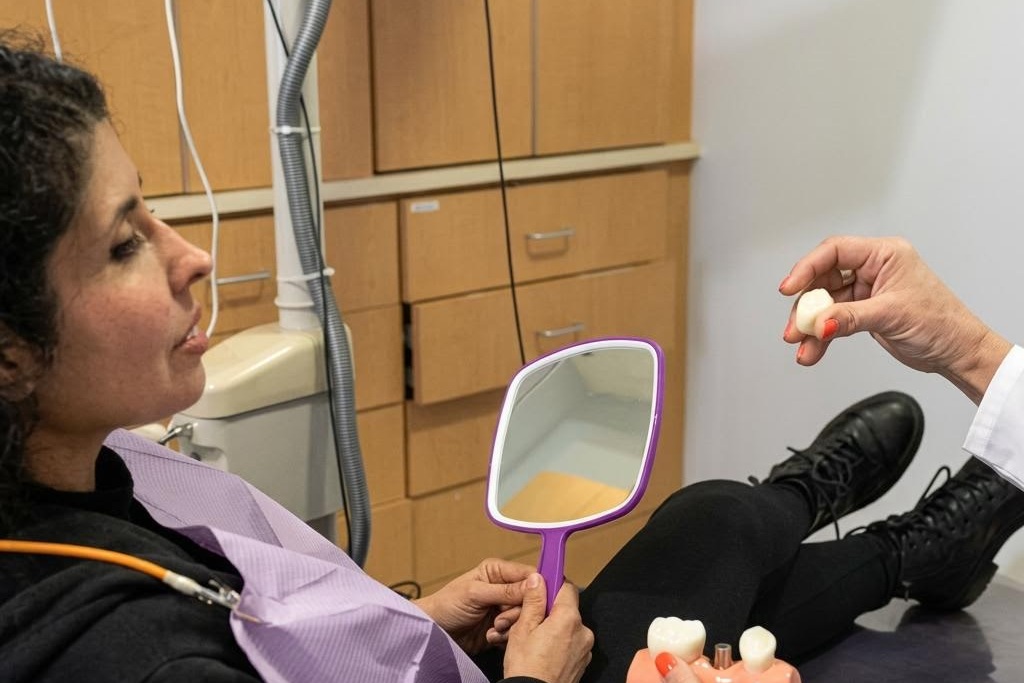
A custom night guard is fabricated in a dental lab from a precise impression of your teeth, taken at your dentist’s office. Once it’s made, your dentist fine-tunes the fit in person for optimal comfort. The process usually takes a few weeks and one or more visits.
Because a dentist controls the fit and material, in-office guards are more comfortable and protective than store-bought ones. They also cost more — typically $300 to $1,000, up to ten times the cheapest OTC option — because you’re paying for professional service and lab-grade materials, not just a product.
A few costs can add to that total:
- Dental exam — Before a guard is designed, you’ll have an exam to gauge how severe your bruxism is and which appliance fits best.
- Out-of-pocket costs — Check whether your plan covers an occlusal guard and at what percentage.
- Replacement costs — If your guard cracks, breaks, or develops holes, you’ll need a replacement.
The trade-offs of custom guards
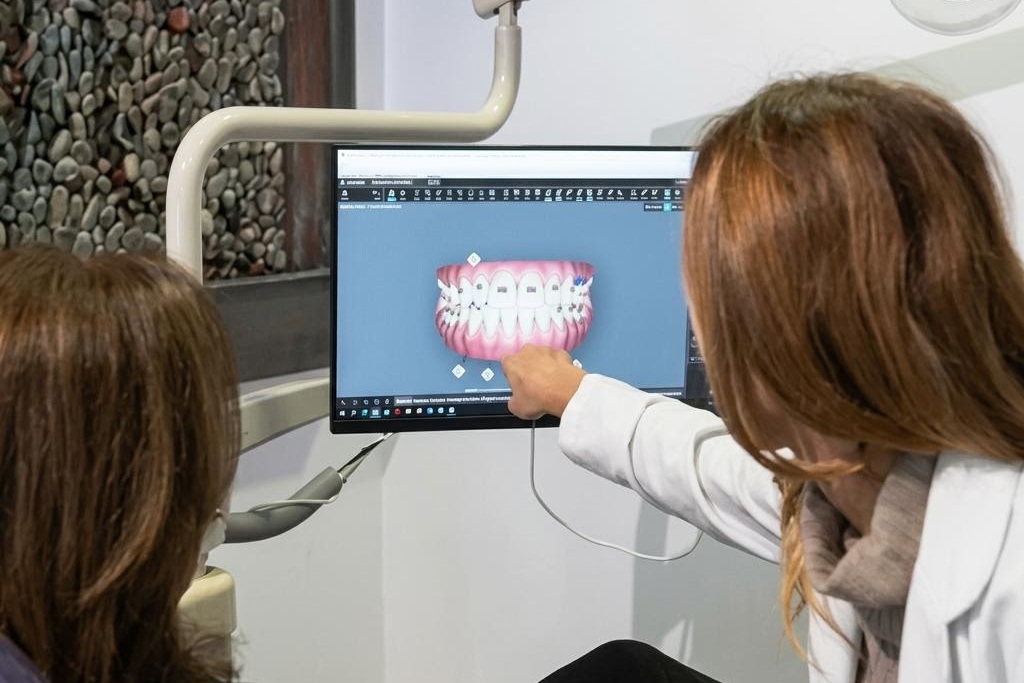
The biggest advantage is the custom fit. Because the guard is built to your teeth, it’s more comfortable and stable than an OTC tray, and its precise coverage forms a more durable barrier between your upper and lower teeth.
If it ever causes discomfort, your dentist can adjust it, and they’ll coach you on cleaning and care. The drawbacks are the higher price, the multi-visit timeline, and the cost of replacing a guard if you lose it.
So, which night guard wins?
Market research projects that OTC night guards will dominate the market, driven by their convenience, low price, and the rising prevalence of bruxism. Popularity, though, isn’t the same as protection.
Most dental experts still recommend a custom guard when grinding is anything more than mild, because it’s the safer, better-protecting option. A custom guard costs more, but you get professional care and guidance in return — and dental care is an investment that pays off in a healthier smile, better sleep, and fewer cracked teeth down the road.
Night Guards in Culver City
Struggling with teeth grinding, jaw pain, or worn-down teeth? You don’t have to guess at the fix.
At United Dental Care in Culver City, Dr. Abbas Eftekhari and our team will examine your bite, gauge the severity of your bruxism, and help you choose the right night guard — whether that’s a custom-fitted guard or guidance on a safe over-the-counter option.
We serve patients across Culver City and nearby communities including Mar Vista, Palms, Marina del Rey, Westchester, Baldwin Hills, Playa Vista, and Ladera Heights.
Frequently Asked Questions
Does dental insurance cover a night guard in California?
Many plans partially cover custom guards billed under CDT code D9944 (hard) or D9945 (soft) when they’re medically necessary for bruxism or TMJ, but coverage varies and requires documentation from your dentist. Store-bought OTC guards can’t be billed to insurance. Our team at United Dental Care can verify your benefits before you commit.
How do I clean my night guard?
Rinse it in cool (never hot) water and brush it gently with a soft toothbrush each morning, then let it air-dry in its case. Deep-clean weekly with a non-abrasive denture cleaner. Avoid toothpaste, which can scratch the surface and trap bacteria.
Can I wear a night guard with braces or Invisalign?
With braces, you’ll need a custom guard designed around your brackets — OTC trays don’t fit safely over hardware. If you wear Invisalign, the aligners themselves offer some protection, but tell your provider you grind so they can recommend the right approach.
Is a night guard the same as a sports mouthguard?
No. A night guard is thinner and shaped to absorb the steady, grinding force of bruxism during sleep, while a sports mouthguard is bulkier and built to absorb sudden impact. They’re not interchangeable.
Schedule a consultation with United Dental Care and protect your smile — and your sleep — tonight.


By: