
How to Prepare for a Teeth Whitening Appointment In Culver City

Most people make the same mistake on the morning of their whitening appointment—they reach for coffee without thinking, only to spend the rest of the day wondering if they’ve already ruined their results.

Here in our Culver City office, we've seen it a lot. Most of the time, the anxiety isn't really about the bleaching process itself—it's about all the conflicting advice floating around online. You'll read one article that says brush your teeth in the morning, and another says don't bother. Some people say it hurts, others say it doesn't.

But the thing is, professional in-office whitening is a standard, well-understood procedure. Once you know the facts, it's not that complicated at all.

This guide is going to walk you through what to expect from your whitening visit, what you should and shouldn't do, important pre-treatment steps, some timing details, how much discomfort you might experience, and how to take care of your freshly whitened teeth so you can feel prepared, not unsure.

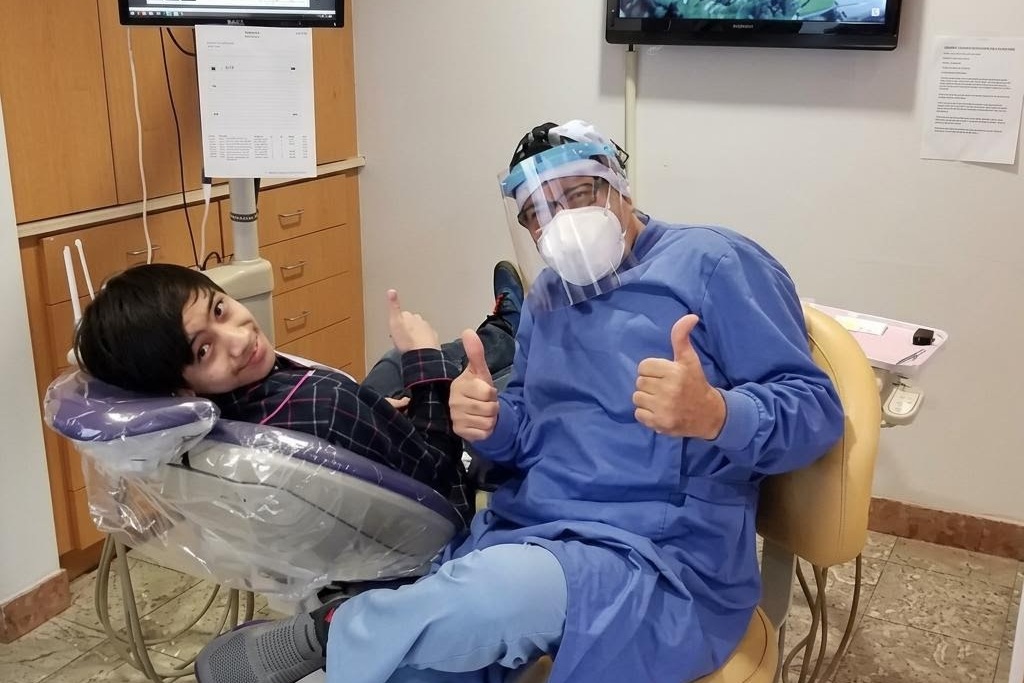
Emergency Dentist, Culver City - Our loving receptionist at United Dental Care is ready for your emergency dental concerns.

What Are the Best Pre-Treatment Steps

Here are the basic steps to follow that align with the advice most major professional teeth whitening services provide to ensure optimal results and minimize risks.

Step 1: Get a Professional Cleaning First

Major teeth whitening treatments like Zoom and KöR require patients to have a professional dental cleaning beforehand. Plaque, tartar, and food particles on your natural teeth can block the whitening gel from properly reaching the enamel, leading to uneven or patchy results.

Note: If you haven't had a cleaning recently, our Culver City dentist can assess and perform it during your appointment.

Step 2: Start Using Toothpaste for Sensitive Teeth 1–2 Weeks Before

Begin using a desensitizing toothpaste containing potassium nitrate (e.g. Sensodyne) at least 1-2 weeks prior to your appointment. This helps reduce teeth sensitivity during and after the whitening process, allowing for a more comfortable experience.

Step 3: Avoid Staining Foods and Colored Sports Drinks 24–48 Hours Before

In the critical 24–48 hours leading up to your appointment, avoid consuming foods and drinks that cause extrinsic stains, including:

  • Coffee and tea
  • Red wine
  • Dark sodas and colored sports drinks
  • Berries
  • Soy sauce
  • Tomato-based sauces

These items contain tannins and chromogens that can settle into the enamel’s pores, interfering with the whitening gel’s effectiveness and increasing the risk of uneven whitening or sensitivity.

Step 4: Brush and Floss Gently on the Morning Of

On the day of your appointment, maintain good oral hygiene by brushing and flossing gently. Use a soft-bristle toothbrush and avoid abrasive or whitening toothpaste, which can scratch enamel and exacerbate teeth sensitivity during professional whitening.

Step 5: Disclose Any Dental Work or Restorations

Inform your dentist about any dental work such as crowns, veneers, composite bonding, or implants. Whitening agents do not affect these materials, so your dentist will tailor your whitening goals to match your dental restorations and ensure identical shade.

Step 6: Consult Your Dentist Before Taking Pain Relievers

Some recommend taking ibuprofen 30-60 minutes before your appointment to minimize sensitivity, while others advise against it. To avoid any risk, always consult your dentist before using pain relievers related to your whitening treatment.

Step 7: Avoid Tobacco Use for 24 Hours Before

Refrain from smoking or using any tobacco products at least 24 hours before your appointment. Tobacco use introduces fresh surface stains and constricts blood flow to the gums, which can increase teeth sensitivity and negatively impact the whitening process and its longevity.

Following these professional pre-treatment steps helps minimize teeth sensitivity, protect your natural teeth, and maximize the in-office whitening process results.

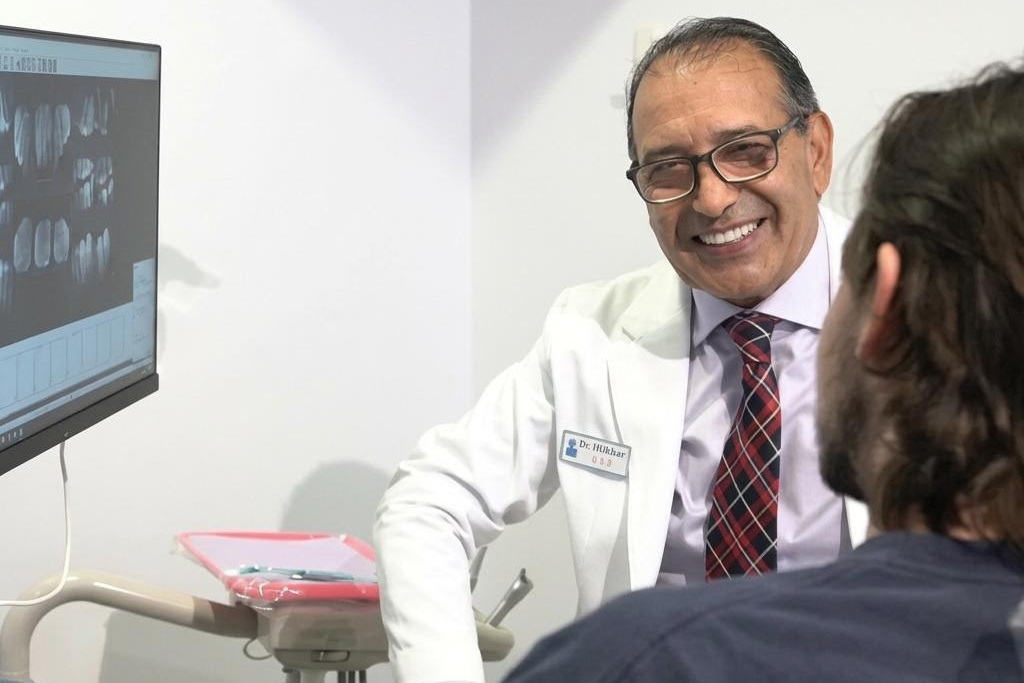
A Culver City Dentist Care  Dr. E enjoys talking with his patient. Prior to any dental procedure. Dr. E. diligently explains everything there's to know about the patient's dental care.

What Role Does Diet Play in Preparing for Successful Teeth Whitening?

Your diet affects whitening in two phases: what you’ve been eating in the past 1–2 weeks, and what you eat in the last 24–48 hours.

The 2-Week Lead-Up: Long-Term Habits That Affect Your Results

In the weeks before your appointment, your enamel reflects what you consume. Drinking too much coffee, tea, or wine will make it harder to achieve the desired whitening in just one session. Here are some foods that support your whitening goals:

  • Crunchy, water-rich foods (apples, celery, carrots) – naturally clean your teeth and stimulate saliva, which helps protect enamel.
  • Dairy foods (cheese, yogurt) – rich in calcium and casein, these help strengthen enamel and reduce teeth sensitivity.
  • Water – essential for keeping your mouth hydrated, washing away food particles, and maintaining a gentle oral environment.

The 24–48 Hour Window: What to Eat and Avoid Right Before Your Appointment

This period is critical for minimizing fresh stains that can interfere with whitening results. Avoid:

  • Coffee and tea
  • Red wine
  • Dark sodas and juices
  • Berries
  • Soy sauce and balsamic vinegar
  • Tomato-based sauces

Additionally, avoid acidic foods like citrus fruits and vinegar-based dishes, as they can increase teeth sensitivity and affect how the whitening gel interacts with your mouth. Alcohol should also be avoided because it reduces saliva flow, making your teeth more sensitive and prone to staining. Instead choose the foods such as plain chicken, white rice, bananas, and plenty of water to achieve optimal whitening results.

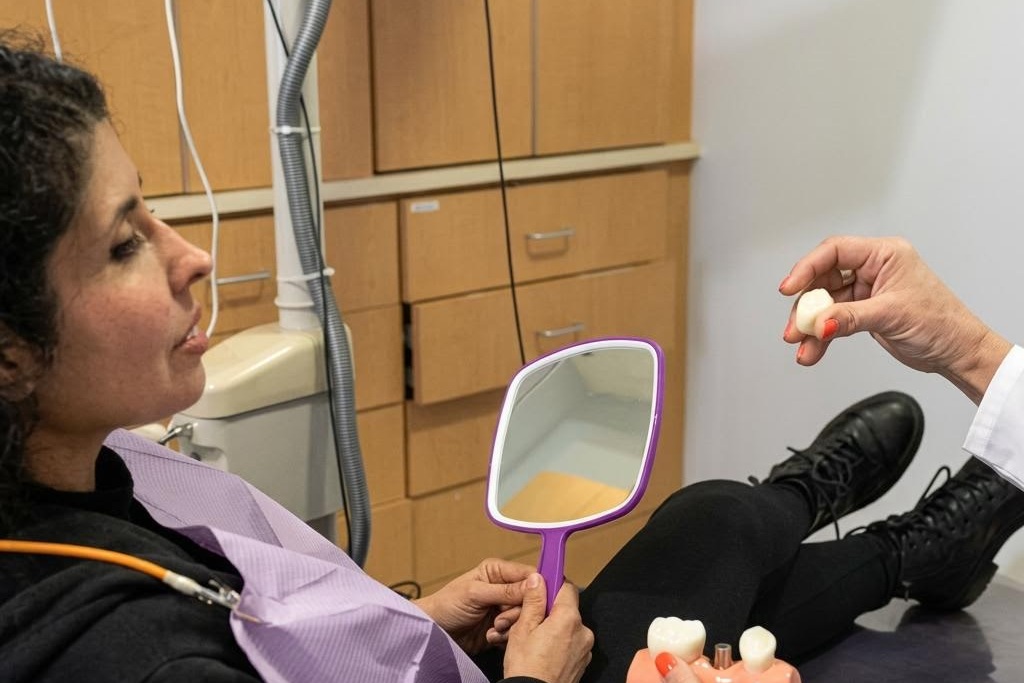
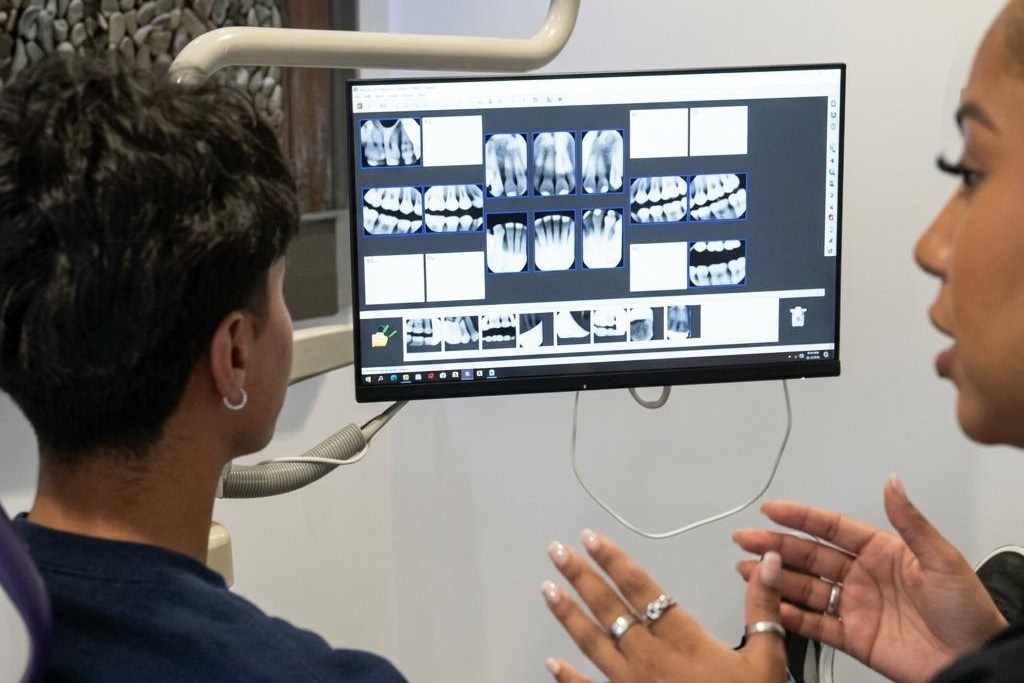
A dentist in Culver City demonstrating Zoom Whitening to a patient

How Long is a Teeth Whitening Session Going to Take?

Most in-office whitening sessions (e.g. Zoom and KöR) take around 60-90 minutes in total, with several short cycles. It is broken into 3-4 whitening cycles, each one lasting about 15-20 minutes.

In addition to the core whitening time, your appointment may include:

  • Shade assessment (5 minutes)
  • Desensitizing gel application (10 minutes)
  • Post-treatment fluoride rinse (5 minutes)

Your dentist may also provides custom take-home trays, which you’ll typically wear for 30–60 minutes per day over 1–2 weeks.

A helpful tip: Bring your headphones or something to listen to – you cannot talk during the treatment, and it helps pass the time comfortably.

Sedation is also not required during the treatment, you'll be good to drive yourself home afterwards.

Is It Painful After Teeth Whitening?

Most people experience temporary teeth sensitivity after whitening, often called “zingers” — brief, sharp electric sensation triggered by cold air, drinks, or sweets. This sensitivity usually fades within 24–48 hours.

About 60–70% of patients can experience sensitivity. This is commonly experienced by patients with thin enamel, pre-existing sensitivity, gum recession, or who undergo multiple treatment cycles in one session.

To avoid teeth sensitive issues and manage whitening sensitivity:

  • Use toothpaste for sensitive teeth (like Sensodyne) before and after your appointment
  • Avoid very cold foods and drinks
  • Choose lukewarm options
  • Take pain relievers only if advised by your dentist

While mild sensitivity is normal, watch for symptoms like:

  • Sharp pain lasting more than 3 days
  • Burning gum irritation
  • Increasing pain over time

If any occur, contact your dentist immediately.

How Soon Can I Brush After Whitening?

Wait at least 30 minutes before brushing, or up to 4 hours – if your teeth are feeling a bit sensitive.

After whitening your teeth your enamel can get a bit more porous, and brushing too soon can increase sensitivity.

When you do start brushing, make sure to use a soft-bristled toothbrush and stick with a non-abrasive sensitivity toothpaste. Avoid whitening toothpaste for at least 48 hours.

If your dentist gives you a fluoride rinse, use that first to help remineralize your enamel before you brush.

Giving your teeth a recovery time helps protect both your comfort and the results.

What Foods to Avoid After Teeth Whitening

Avoid dark, acidic, and highly pigmented foods for 24–48 hours to prevent re-staining.

After whitening, your teeth are in an “open pore window” and they are more absorbent – making them 3 times more susceptible to stains than usual. This is why looking after your teeth properly afterwards is important – even more than what you did beforehand.

Foods & Drinks to Avoid

  • Coffee and tea
  • Red wine
  • Dark sodas
  • Dark juices (grape, cranberry)
  • Tomato-based sauces
  • Soy sauce and balsamic vinegar
  • Berries and beetroot
  • Dark chocolate and curry
  • Tobacco products

Also, avoid very hot or very cold foods for at least 24 hours to reduce sensitivity.

If you really need coffee, use a straw to avoid contact with teeth – this is imperfect but practical

What You Can Eat: The White Diet

Stick to light colored, low-acid foods like:

  • Chicken and white fish
  • Rice and plain pasta (no tomato sauce)
  • White bread
  • Bananas and peeled apples
  • Milk, yogurt, and cheese
  • Water and clear drinks

These foods won't mess with your results while your enamel is recovering.

After about 48 hours, your enamel has mostly remineralize, and you can return to your normal diet. Saying that, reduced consumption of coffee, tea and wine will help make your whitened teeth last a bit longer.

Key Takeaways

Before your teeth whitening appointment, the key is to avoid staining foods and drinks for 24–48 hours. Your session usually lasts 60–90 minutes, and you may experience brief sensitivity afterward that fades within a day or two. Allowing your teeth time to recover—by delaying brushing and following the white diet—protects your whitening results during this crucial post-treatment period. Most patients find the process manageable once they know what to expect. If you have questions, contact your dentist or explore more teeth whitening tips to prepare fully.

Have a Question Before Your Appointment?

If something still feels uncertain before your appointment, that’s completely normal. Contact our team at United Dental Care, we are happy to walk you through what to expect—so you can feel fully prepared and comfortable every step of the way.


Related Posts